The Importance of Understanding IBC in Modern Logistics
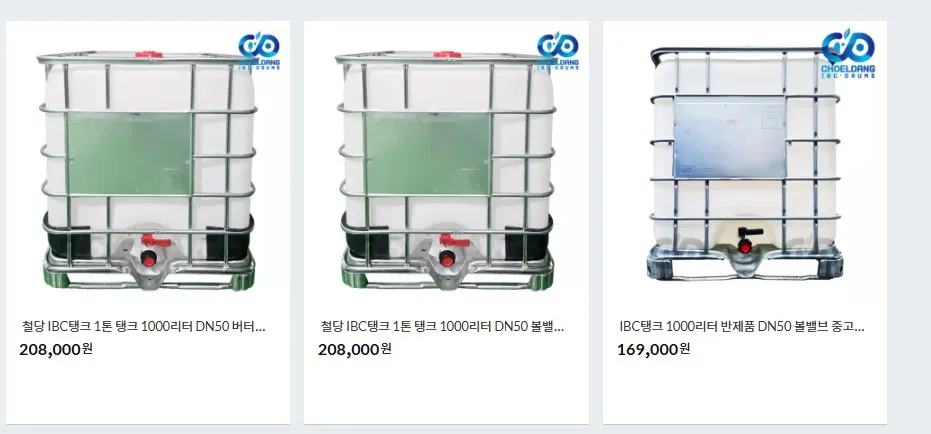
In the world of logistics and transportation, the term “ibc” is gaining significant attention. The “ibc” refers to Intermediate Bulk Containers, which are essential for efficiently handling, transporting, and storing bulk liquids and granulated substances. This blog post will delve into the key benefits of using “ibc” containers, their applications, and why they have become a staple in various industries.
Intermediate Bulk Containers, commonly known as “ibc”, play a crucial role in the supply chain. They are designed to be a middle-ground solution between smaller containers and large storage tanks, offering versatility and cost-effectiveness. These containers are typically made from materials such as plastic, steel, or a composite of both, ensuring durability and safety for transporting a variety of goods.
Benefits of Using IBC Containers
The use of “ibc” containers offers numerous advantages to businesses. Here are some of the primary benefits:
- Efficiency: “ibc” containers can hold a significant volume of material, which reduces the need for frequent refilling, thereby improving operational efficiency.
- Space-saving: Their design allows for easy stacking and storage, maximizing space utilization in warehouses and transportation vehicles.
- Cost-effectiveness: With their reusable nature, “ibc” containers can lower packaging costs over time, offering a more economical solution for businesses.
Common Applications of IBC Containers
Given their versatility, “ibc” containers are used across a wide range of industries. Some common applications include:
- Chemicals: Used for storing and transporting chemicals safely, protecting both the product and the environment.
- Food and Beverage: Ideal for transporting liquid food products such as oils, syrups, and juices in a hygienic manner.
- Pharmaceuticals: Utilized for the safe handling and storage of pharmaceutical ingredients.
Comparison of IBC Materials
Choosing the right material for an “ibc” container is crucial, as it impacts the container’s performance and suitability for specific applications. Here’s a quick comparison:
| Material | Advantages | Disadvantages |
|---|---|---|
| Plastic | Lightweight, cost-effective, corrosion-resistant | Less durable for high-temperature applications |
| Steel | High durability, suitable for heavy-duty use | Heavier, more expensive |
| Composite | Combines benefits of both plastic and steel | May be more costly than single-material options |
“Understanding the versatility of ‘ibc’ containers can revolutionize your logistics strategy, offering efficiency and cost savings across various sectors.”
As industries continue to evolve, the demand for efficient, safe, and cost-effective transportation solutions like “ibc” containers will likely grow. With their proven benefits and wide array of applications, these containers are invaluable assets in modern logistics.
Are you considering improving your logistics strategy? Investigate how “ibc” containers could be a beneficial addition to your supply chain operations today!